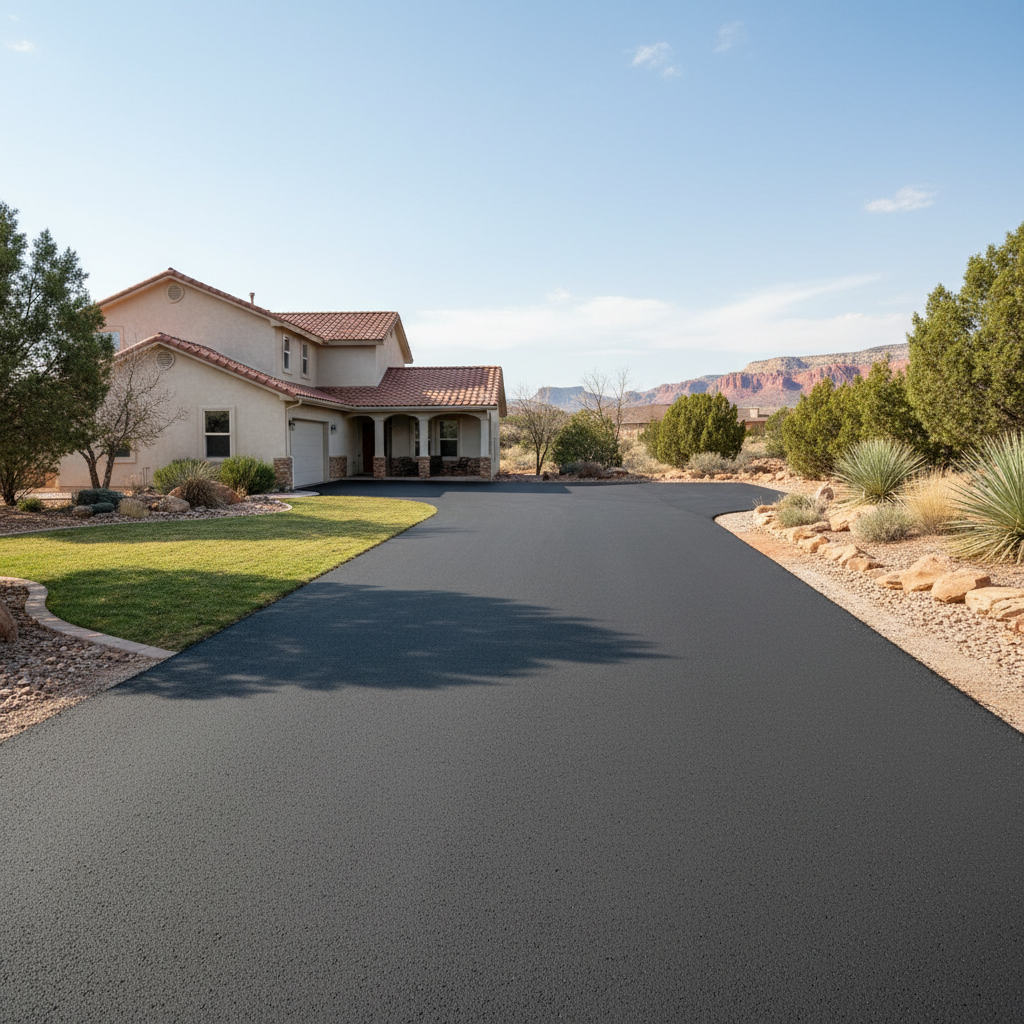
Thinking Price Tag First, Quality Second
Alright, let's just get this out of the way. The biggest mistake I see folks make, not just here in Veyo but everywhere, is focusing solely on the lowest bid. I get it, money's tight, and everyone wants a deal. But when it comes to something as permanent and visible as your driveway, going cheap almost always costs you more in the long run. You'll end up with a driveway that cracks, sinks, or just looks bad way sooner than it should. Then you're paying to fix it, or worse, replace it. It's a false economy, pure and simple. Think about it: a good contractor has insurance, pays their crew a fair wage, uses quality materials, and knows what they're doing. That all costs money. If someone's bid is drastically lower than everyone else's, there's usually a reason, and it's rarely a good one for you.
Not Checking References or Past Work
This one's a no-brainer, but people still skip it. You wouldn't hire someone to fix your car without checking if they know what a wrench is, right? Same goes for your driveway. Before you sign anything, ask for references. Call those people up! Ask them about the contractor's communication, how they handled unexpected issues, if they stuck to the timeline and budget, and if they're happy with the final product. Even better, ask if you can drive by and see some of their previous work. I'm proud of the driveways All Star Asphalt Co has put down around here, and I'm always happy to show them off. If a contractor hems and haws about showing you their work, that's a massive red flag. They might be new, inexperienced, or worse, they do shoddy work and know it.
Ignoring the Importance of Proper Drainage
Veyo gets some pretty intense thunderstorms, especially during monsoon season, and we've got that red clay soil that doesn't drain too well naturally. If your driveway isn't designed with proper drainage in mind, you're asking for trouble. Water pooling on your driveway can lead to all sorts of problems: erosion, cracking, potholes, and even damage to your home's foundation if it's running toward the house. A good contractor will assess your property's grade and suggest solutions like proper sloping, French drains, or catch basins. Don't just assume they'll handle it; ask them specifically what their plan is for water management. It's not just about getting the asphalt or concrete down; it's about making sure it lasts and protects your property.
Skipping the Contract Details
A handshake deal might sound old-school and trustworthy, but it's a recipe for disaster with a big project like a driveway. You need a written contract, plain and simple. And don't just skim it; read every single line. What exactly is included? What type of material? How thick will the base be? What's the timeline? What are the payment terms? What about warranties? What happens if there are delays or unforeseen issues? A clear, detailed contract protects both you and the contractor. If a contractor tries to rush you or says,