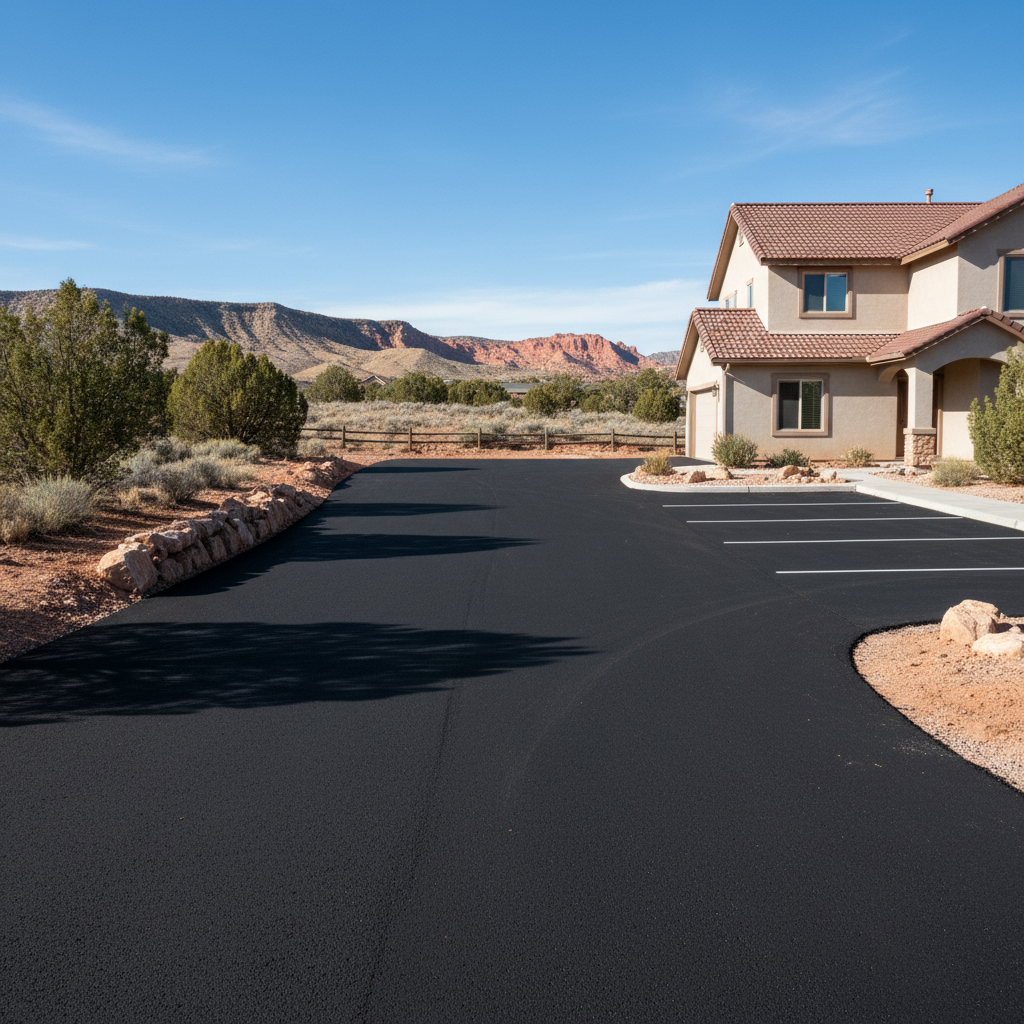
So, you're thinking about getting a parking lot paved. Maybe it's for your home business, or you've finally decided to get that extra space behind the garage properly surfaced. Whatever the reason, it's a bigger project than just a driveway, and you want it done right. I've seen a lot of these jobs over the years here in Veyo, and I can tell you, a little planning really helps.
Setting Your Timeline: What to Expect
Paving isn't an overnight job, especially for a parking lot. You're not just throwing down some asphalt; there's a whole process involved. Here's a rough timeline of what you should be thinking about:
- Initial Inquiry & Quote (1-2 weeks): First, you'll reach out to a few local paving companies. They'll need to come out, measure the area, and check out the current conditions — like if you've got that red Veyo clay soil that needs extra prep. They'll also discuss what you need specifically. Getting a detailed quote can take a few days to a week.
- Scheduling (2-4 weeks out): Once you've picked your contractor, you'll get on their schedule. Good companies are usually booked out a few weeks, especially during peak season (spring and fall are popular here, as you might imagine). Don't expect them to start tomorrow.
- Permits (Varies, if needed): For larger residential parking areas or commercial lots, you might need permits from Washington County. Your contractor should help you figure this out, but it can add time.
- Pre-Construction (1-3 days): This is when the crew comes out to get the site ready. We're talking excavation, grading, laying down the base material. This step is crucial for a long-lasting lot.
- Paving (1-3 days): The actual asphalt laying. This can go pretty quick once everything else is ready.
- Curing & Striping (3-7 days after paving): You can't drive on it right away. Asphalt needs time to cure. If you need striping, that usually happens a few days after the paving.
All told, from your first call to driving on your new lot, you're probably looking at a month or two. Sometimes more, depending on the size and how complicated the job is. Don't rush it; quality takes time.
What Happens During the Paving Process?
When the crew shows up, here's the general order of operations:
- Site Preparation: They'll clear the area, remove any old pavement or debris, and dig down to the right depth. This is where proper drainage gets designed and put in. You definitely don't want standing water on your new lot.
- Grading & Base Layer: The ground is graded to make sure water runs off correctly. Then, a layer of aggregate (like crushed rock) goes down and gets compacted. This base is the backbone of your parking lot. If this isn't done right, your asphalt won't last.
- Binder Layer (if needed): For thicker lots, a binder layer of asphalt might go down first. This is a coarser mix that adds strength.
- Surface Layer: The final layer of hot asphalt mix is applied. This is the smooth, dense layer you'll be driving on.
- Compaction: Rollers come in and compact the asphalt to get the desired density and smoothness. This is vital for durability.
- Edge Work & Cleanup: The crew will finish the edges, clean up the site, and remove any leftover materials.
It's a pretty orchestrated process. You'll see a lot of heavy equipment and a busy crew working to get it done efficiently.
How to Prepare Your Property
Before the crew even shows up, there are a few things you can do to make things go smoother for everyone:
- Clear the Area: Move any vehicles, equipment, or personal items out of the work zone and surrounding areas. Make sure there's plenty of space for trucks and machinery to maneuver.
- Mark Utilities: If you know where any underground sprinklers, invisible dog fences, or shallow utility lines are, mark them clearly. While contractors will often call 811, knowing about your private lines helps prevent accidental damage.
- Inform Neighbors: Give your neighbors a heads-up about the project. There will be noise, dust, and possibly some temporary access restrictions. It's just good neighborly practice, right?
- Plan for Access: For the few days the crew is working, and especially during the curing period, you won't be able to use the parking area. Plan where you'll park your vehicles.
A little preparation on your end helps us focus on the paving and keeps the project on schedule.
Questions to Ask Before You Sign That Contract
Don't just go with the first quote. Ask questions. A good contractor, like us at All Star Asphalt Co, will be happy to answer them all. Here are some key ones:
- What's included in the quote? Make sure it itemizes everything: excavation, base material, asphalt layers (thickness and type), drainage, cleanup, and any potential extra costs.
- What kind of base material will you use, and how thick will it be? This is critical for longevity.
- How thick will the asphalt layers be? For a parking lot, you'll want at least 2-3 inches of compacted asphalt, depending on how much traffic you expect.
- What's your warranty? A reputable company will stand by their work. Ask about both material and labor warranties.
- Do you handle drainage? Proper drainage is non-negotiable. Ask how they plan to ensure water runs off correctly.
- Are you licensed and insured? Always ask for proof. You don't want to be liable if something goes wrong.
- Can you provide references? Talk to previous customers. See their work.
- What's the payment schedule? Typically, there's a deposit, progress payments, and a final payment upon completion. Avoid contractors asking for 100% upfront.
- How long will the curing process take before I can use it? Get a clear timeline for when you can drive on it.
Asking these questions shows you're serious and helps you pick a contractor who's serious about doing a good job for you. A well-paved parking lot is an investment, and you want it done right the first time.